7 Best Burnout Recovery Coaches for Women Over 40 (Expert Reviews & Comparison Guide for 2026)
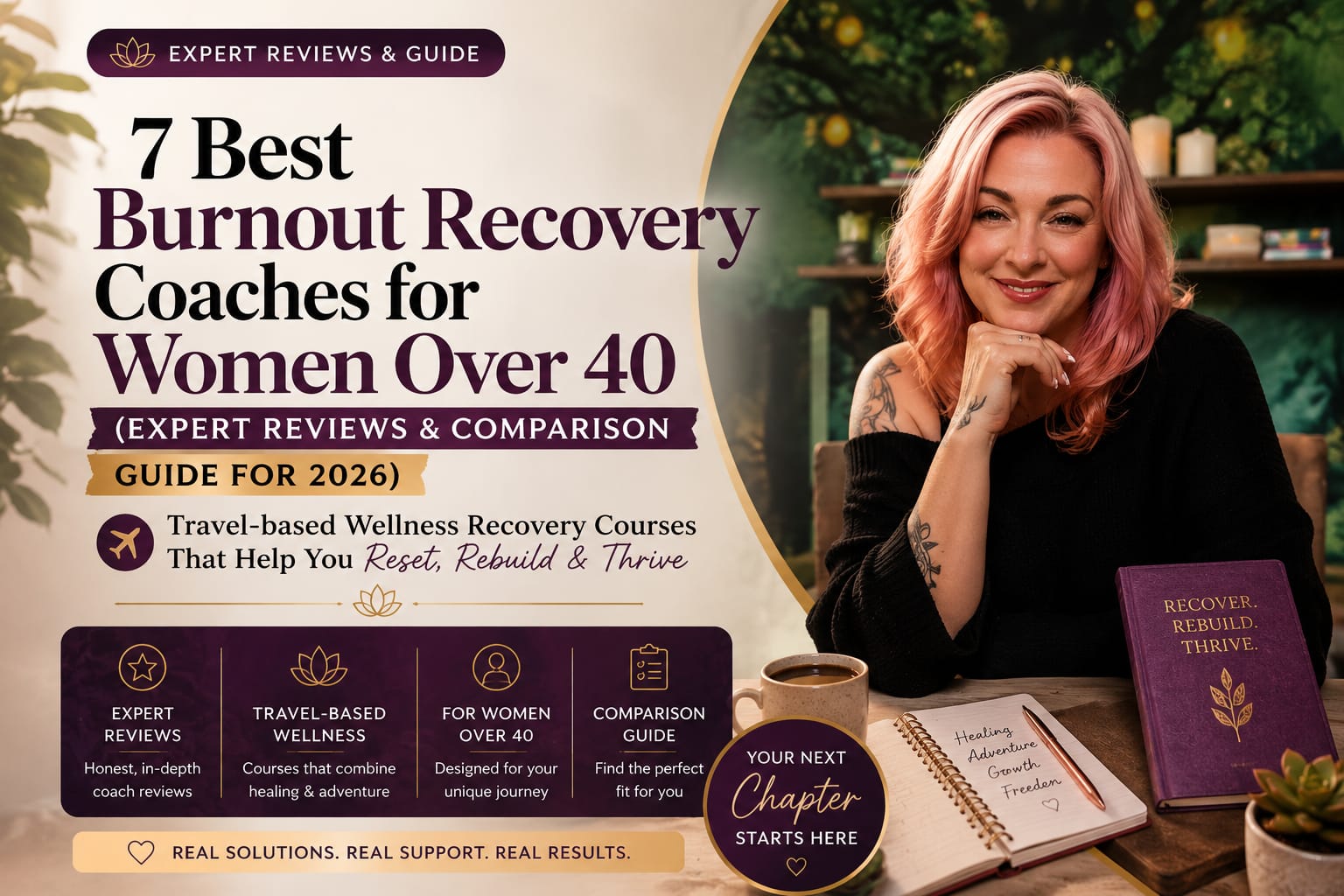
7 Best Burnout Recovery Coaches for Women Over 40 (Expert Reviews & Comparison Guide for 2026)
Feeling burned out doesn't always mean you need another book or another self-care routine. Sometimes, what you need is the right person to guide you through recovery.
A burnout recovery coach can help you understand why you're stuck, create a realistic recovery plan, and provide accountability while you rebuild your energy and confidence. However, not every coach follows the same philosophy. Some focus on executive performance, others on workplace wellbeing, and others on holistic recovery for women navigating emotional exhaustion, caregiving, and life transitions.
In this guide, I've reviewed seven of the most recognised burnout recovery coaches and specialists using a clear set of evaluation criteria (including yours truly ☺️), because choosing the right coach is genuinely important, and you deserve more than a popularity contest. Rather than recommending whoever has the biggest Instagram following, I've compared coaching philosophy, qualifications, accountability, communication style, personalisation, session format, strengths, and limitations so you can choose the support that actually fits your situation. 🌿
What's Your Burnout Type?
Take the 60-Second Assessment
Know what's really draining your energy—and discover your personalised recovery path.
Key Takeaways
- A burnout recovery coach helps you translate recovery advice into practical action through guidance, accountability, and personalised support.
- Coaching is different from therapy. Coaches focus on present and future goals, while therapists diagnose and treat mental health conditions where appropriate.
- Women over 40 often benefit from coaching that recognises caregiving, emotional labour, identity changes, and life transitions alongside workplace stress.
- The best coach is not necessarily the most famous. The best choice depends on your burnout stage, preferred coaching style, and level of support you need.
- Our Editor's Choice is Jane Bellis, founder of MyMojoSchool, because my coaching approach is specifically designed around women's burnout recovery, combining practical guidance with accredited wellbeing education.
What Does a Burnout Recovery Coach Do?
A burnout recovery coach helps people recover from chronic stress by providing structured guidance, accountability, practical tools, and personalised support throughout the recovery process.
Unlike motivational coaching, burnout recovery coaching focuses on helping clients reduce overload, establish healthier boundaries, regulate stress, restore confidence, and create sustainable daily habits.
A good coach does not simply encourage positive thinking. Instead, they help clients understand why burnout developed, identify ongoing stressors, and make realistic changes that fit their personal and professional lives.
It is also important to understand what a burnout coach does not do. Coaches do not diagnose depression, anxiety disorders, or other mental health conditions. If severe symptoms are present, referral to an appropriate healthcare professional is essential.
My own coaching is built around the Medicine Wheel framework — a whole-person model that addresses recovery across mental, physical, emotional, and spiritual dimensions. I mention this because it shapes how I understand and approach coaching: burnout isn't purely an occupational problem, and recovery isn't purely about managing your calendar. The full picture matters.
Quick Answer
A burnout recovery coach provides personalised guidance, accountability, and practical recovery strategies, but coaching is not a replacement for therapy or medical care.
Research Insight
Research led by Christina Maslach has consistently shown that burnout develops through prolonged mismatches between individuals and their work environments, including workload, control, reward, fairness, community, and values. Effective recovery therefore requires more than simply "working less"—it often involves meaningful behavioural and environmental changes.
Do You Need a Burnout Recovery Coach?
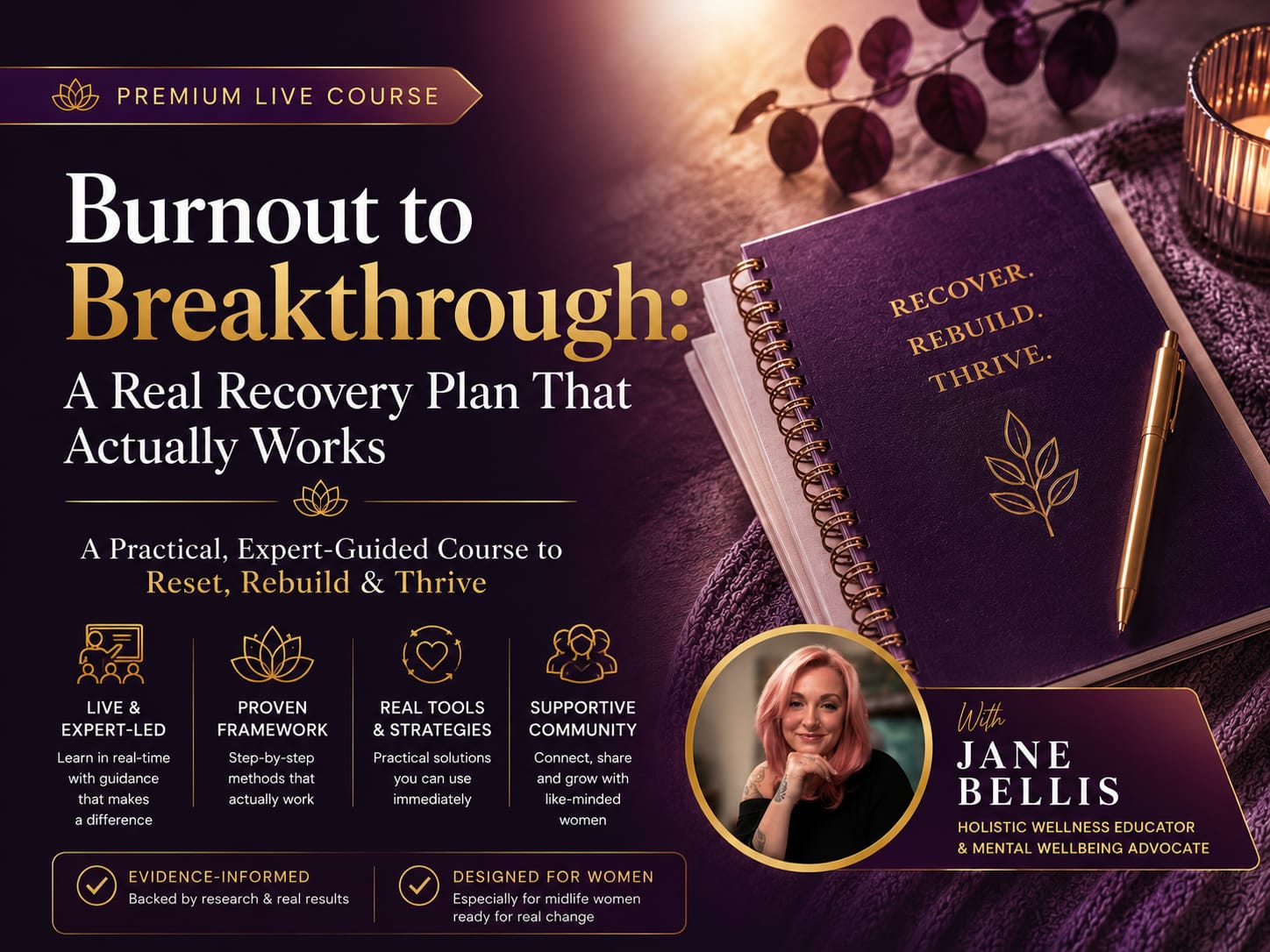
Turn insight into a guided recovery process
The Burnout to Breakthrough course offers a practical framework for women who want more than isolated tips but are not yet ready for one-to-one coaching.
Discover the courseNot everyone experiencing burnout needs coaching.
Some people recover successfully through books, self-paced courses, workplace adjustments, and lifestyle changes. Others benefit from having an experienced guide who helps them stay accountable and navigate complex emotional or professional challenges.
You may benefit from a burnout recovery coach if:
- You understand burnout but struggle to implement recovery strategies.
- You repeatedly fall back into the same unhealthy patterns.
- You feel isolated or unsupported.
- You want personalised feedback rather than generic advice.
- Your burnout involves leadership, business ownership, caregiving, or significant life transitions.
Quick Answer
Burnout coaching is most valuable when knowledge alone is not enough and you need personalised guidance, accountability, and structured support to make lasting changes.
Burnout Coach vs Therapist: What's the Difference?
Many people are unsure whether they need a burnout coach or a therapist.
The answer depends on the nature and severity of your symptoms.
|
Burnout Coach |
Therapist |
|
Focuses on recovery, habits, accountability, and future goals |
Diagnoses and treats mental health conditions |
|
Helps create practical recovery plans |
Provides clinical assessment and treatment |
|
Suitable for mild to moderate burnout |
Appropriate for depression, anxiety disorders, trauma, or severe distress |
|
Does not provide medical diagnosis |
Licensed to diagnose and treat recognised conditions |
For many women, the two forms of support complement each other rather than compete.
Medical Safety
If you are experiencing suicidal thoughts, severe depression, persistent inability to function, panic attacks, chest pain, or significant unexplained weight loss, seek prompt assessment from a qualified healthcare professional rather than relying on coaching alone.
How We Evaluated These Coaches
Instead of ranking coaches by popularity or social media following, I’ve assessed each using practical decision-making criteria that matter during burnout recovery.
Our evaluation included:
- Coaching philosophy
- Relevant experience
- Qualifications and credibility
- Personalisation
- Accountability
- Communication style
- Session format
- Practical implementation
- Suitability for women over 40
- Overall value
This transparent approach allows readers to understand why each coach appears in the guide.
Quick Comparison Table
Coach details, availability, and pricing are subject to change. We recommend visiting each coach's website directly for the most current information
|
Coach |
Best For |
Coaching Style |
Session Format |
Accountability |
Women 40+ Fit |
Overall Rating |
|
Jane Bellis (MyMojoSchool) |
Women 40–65 recovering from burnout |
Holistic, practical, structured |
Self-paced programmes, coaching, strategy sessions |
Excellent |
⭐⭐⭐⭐⭐ |
4.9/5 |
|
Alex Stark |
Executive women |
Executive coaching |
1:1 Zoom |
High |
⭐⭐⭐⭐ |
4.6/5 |
|
Dr Sharon Grossman |
Professional burnout |
Psychology-informed coaching |
Individual coaching |
High |
⭐⭐⭐⭐ |
4.6/5 |
|
Patrick Riecke |
Healthcare professionals |
Structured burnout coaching |
Online programme + coaching |
Moderate |
⭐⭐⭐ |
4.4/5 |
|
Jennifer Moss |
Workplace wellbeing |
Organisational strategy |
Consulting & speaking |
Low |
⭐⭐⭐ |
4.3/5 |
|
Emily Nagoski |
Stress education |
Educational framework |
Workshops & education |
Low |
⭐⭐⭐ |
4.3/5 |
|
Siobhán Murray |
Workplace resilience |
Burnout & resilience coaching |
Individual coaching |
Moderate |
⭐⭐⭐⭐ |
4.4/5 |
1. Jane Bellis (MyMojoSchool)
⭐ Editor's Choice — Best Burnout Recovery Coach for Women Over 40
Best for: Women aged 40–65 experiencing emotional exhaustion, workplace burnout, caregiving stress, or major life transitions.
I'm Jane Bellis - founder of Mojo
School for Holistic Wellness and the person behind this guide. I've included
myself in this comparison not to be self-promotional, but because my work is
genuinely designed for exactly the women reading this post, and I think it's
important you understand what I offer so you can make an informed choice. 💛
I came to this work through my own experience of burnout - and through years of
noticing that most recovery support didn't account for the full reality of
women's lives: the caregiving, the invisible labour, the hormonal shifts, the
identity changes, the relentless pressure to keep going. My coaching and online programmes
combine accredited holistic wellbeing training with a practical, whole-person
approach built around the Medicine Wheel framework, and I hold accreditations
through the CPD Group, CMA, and IPHM.
Strengths
- Specifically designed for women over 40
- Combines coaching with structured educational programmes
- Accredited by recognised professional organisations
- Practical, compassionate, and non-judgemental approach
- Strong emphasis on long-term recovery rather than short-term motivation
- My approach. - Through Mojo School coaching and the Burnout Recovery Course, my work is specifically designed for women over 40 who are ready to move from surviving to thriving: combining practical guidance, accredited education, and the whole-person Medicine Wheel framework to support genuine, lasting recovery.
Limitations
- Holistic approach may not appeal to readers seeking only executive performance coaching.
- Coaching is educational and supportive rather than a substitute for clinical mental healthcare.
Verdict
What I find makes the
biggest difference, and what I believe distinguishes my approach is the
emphasis on understanding why burnout developed before we try to fix it. I'm
not interested in quick-fix motivation or surface-level self-care tips. My work
is built around the Medicine Wheel framework: a whole-person model that
addresses the mental, physical, emotional, and spiritual dimensions of
recovery, because burnout doesn't just affect your workload - it affects who
you are.
My coaching and programmes focus on nervous system regulation, emotional
recovery, boundary setting, identity rebuilding, and sustainable lifestyle
change. Everything is designed to be self-paced and genuinely manageable for
women who are already exhausted and already juggling everything
I’ve focused my work as the Editor's Choice in this guide because my targeted approach aligns closely with the needs of women experiencing chronic stress, emotional exhaustion, and life-transition burnout. The combination of accredited training, structured recovery pathways, and women-centred support makes her one of the strongest options for readers looking for practical burnout recovery guidance. For helping 40+ women to recover their burnout I wrote a book “Burnout Recovery guide - A real world map from surviving to thriving”. If you have no confident to reduce your present burnout conditions , you can read this guide.
2. Alex Stark
Best for: High-achieving women, executives, founders, and professionals experiencing career-related burnout
If your burnout is closely tied to leadership, perfectionism, or balancing a demanding career with family life, Alex Stark is one of the strongest coaching options available.
Unlike many burnout coaches, Alex Stark combines multiple perspectives. She is both a licensed therapist (in specific U.S. states) and a certified executive coach, allowing her to help clients understand whether coaching or therapy is the most appropriate next step. Her coaching is informed by neuroscience, mindfulness, cognitive behavioural principles, and executive leadership experience.
One of the biggest strengths of Alex's approach is that she rejects the idea that recovering from burnout means abandoning your career. Instead, her philosophy is to help high-achieving women build healthier boundaries, reduce perfectionism, and reconnect with themselves while continuing to succeed professionally. Sessions are delivered online through Zoom and are tailored to each client's personal and professional circumstances.
Strengths
- Excellent for executives and senior leaders
- Strong focus on perfectionism and boundary setting
- Integrates leadership development with wellbeing
- Highly personalised one-to-one coaching
- Virtual coaching available internationally
Limitations
- Premium coaching investment
- Designed primarily for executives rather than general burnout recovery
- Less structured self-paced learning than a course
Verdict: An outstanding option for ambitious women who want personalised coaching without stepping away from their careers.
3. Dr Sharon Grossman
Best for: Professionals whose burnout is affecting confidence, performance, and work satisfaction
Dr Sharon Grossman is a psychologist, speaker, and burnout specialist whose work focuses on helping professionals recover from chronic workplace stress. Her coaching combines psychology with practical behaviour change, making it particularly useful for people who understand burnout intellectually but struggle to change long-standing habits.
Rather than offering generic stress-management advice, she helps clients identify hidden thinking patterns, perfectionism, people-pleasing behaviours, and unrealistic expectations that contribute to burnout.
Strengths
- Psychology-informed approach
- Strong workplace focus
- Practical behavioural strategies
- Suitable for professionals and leaders
Limitations
- Less emphasis on women-specific life transitions
- Premium individual coaching
Verdict: Excellent for professionals who want evidence-informed coaching rooted in psychology.
4. Patrick Riecke
Best for: Healthcare professionals and leadership burnout
Patrick Riecke has developed structured burnout recovery programmes that combine online learning with coaching principles. His work focuses on recognising burnout early, improving boundaries, managing stress, and developing practical recovery routines.
His approach is particularly relevant for healthcare workers, professionals in demanding service roles, and leaders who feel trapped by constant responsibility.
Strengths
- Clear structured methodology
- Practical assignments
- Strong healthcare and leadership focus
- Action-oriented
Limitations
- Less tailored to women over 40
- Limited emphasis on emotional labour outside work
Verdict: A strong choice for professionals seeking a structured burnout coaching programme.
5. Jennifer Moss
Best for: Leaders, managers, and organisations
Jennifer Moss is internationally recognised for her work on workplace wellbeing and burnout prevention. Although she is not primarily a one-to-one burnout coach, her expertise makes her one of the most influential voices in organisational burnout.
Her work challenges the misconception that burnout can be solved through self-care alone, arguing instead that leadership, culture, workload, and organisational systems play central roles.
For executives responsible for improving workplace wellbeing, her perspective is invaluable.
Strengths
- International workplace wellbeing expert
- Research-informed
- Excellent organisational perspective
- Strong leadership insights
Limitations
- Not focused on individual coaching
- Less personalised support
Verdict: Best for organisations and leaders seeking to reduce burnout across teams.
6. Emily Nagoski
Best for: Understanding emotional exhaustion and the science of stress
Although Emily Nagoski is best known as an author and educator rather than a private coach, her work has transformed how many women understand burnout.
Her explanation of the stress cycle has become one of the most influential concepts in modern burnout education.
Women who feel guilty because they remain exhausted despite taking time off often find her work particularly reassuring.
Strengths
- Outstanding science communication
- Compassionate approach
- Excellent educational resources
- Particularly valuable for women
Limitations
- Not a personalised coaching service
- Educational rather than accountability-based
Verdict: Ideal for readers who first need to understand why burnout happens before seeking coaching.
7. Siobhán Murray
Best for: Workplace resilience and sustainable performance
Siobhán Murray specialises in helping professionals reduce stress, improve resilience, and create healthier ways of working.
Her coaching focuses on practical implementation, leadership development, and sustainable performance rather than short-term motivation.
Clients looking for structured workplace wellbeing support often appreciate her practical coaching style.
Strengths
- Strong workplace experience
- Practical coaching
- Leadership development
- Sustainable wellbeing focus
Limitations
- Less specialised for women over 40
- Greater emphasis on workplace resilience than broader life-transition burnout
Verdict: A good option for professionals seeking practical resilience coaching.
Which Burnout Recovery Coach Is Best?
There is no universal "best" burnout recovery coach because different coaches serve different needs.
- Choose to work with me (Jane Bellis / Mojo School) if you're a woman over 40 looking for compassionate, structured, and practical support that recognises the full reality of your life - not just the workplace side. (and maybe most impoartantly of all – what comes next)
- Choose Alex Stark if you are an executive or senior leader who wants highly personalised coaching focused on balancing career success with personal wellbeing.
- Choose Dr Sharon Grossman if you want psychology-informed strategies for workplace burnout.
- Choose Patrick Riecke if your burnout is closely linked to healthcare or leadership.
- Choose Jennifer Moss if you are a leader trying to improve organisational wellbeing.
- Choose Emily Nagoski if you want to understand the science behind stress and emotional exhaustion.
- Choose Siobhán Murray if you are looking for workplace resilience and sustainable performance coaching.
Frequently Asked Questions
1. What does a burnout recovery coach actually do?
A burnout recovery coach helps you recover from chronic stress by providing personalised guidance, accountability, practical recovery strategies, and ongoing support. Unlike motivational coaching, burnout coaching focuses on rebuilding energy, improving boundaries, reducing emotional exhaustion, and creating sustainable lifestyle changes. Coaching is future-focused and action-oriented rather than clinical.
2. Do I need a burnout coach or a therapist?
It depends on your situation.
A burnout coach is appropriate if you're experiencing mild to moderate burnout and want practical support implementing healthier habits and recovering from chronic stress.
A therapist is more appropriate if you're experiencing depression, trauma, suicidal thoughts, panic attacks, or other mental health conditions requiring diagnosis or treatment.
Many people benefit from using both services together.
3. How much does burnout coaching usually cost?
Burnout coaching fees vary widely depending on the coach's qualifications, experience, location, and level of support. Some coaches charge per session, while others offer structured coaching programmes lasting several weeks or months. Before investing, compare what's included, such as personalised planning, accountability between sessions, educational resources, and follow-up support.
4. How long does burnout coaching take?
Recovery timelines vary considerably. Many people begin noticing improvements within several weeks, but meaningful recovery often takes several months depending on the severity of burnout, ongoing stressors, and how consistently recovery strategies are applied. Coaching is most effective when combined with realistic lifestyle changes rather than expecting a quick fix.
5. Is online burnout coaching effective?
Yes. Online burnout coaching can be highly effective when sessions are personalised, structured, and include practical implementation and accountability. Many experienced burnout coaches now work primarily online, making specialist support accessible regardless of location.
6. What should I look for when choosing a burnout recovery coach?
Look for a coach who:
- Has relevant burnout or wellbeing expertise.
- Uses an evidence-informed approach.
- Clearly explains their coaching philosophy.
- Provides structured accountability.
- Understands your specific circumstances, such as executive burnout, caregiving, or women's wellbeing.
- Is transparent about the limits of coaching and refers clients for medical or psychological care when appropriate.
7. Which burnout recovery coach is best for women over 40?
The right coach depends on your goals. Women looking for practical, holistic guidance around emotional exhaustion, caregiving pressures, and life transitions may find Jane Bellis and the MyMojoSchool Burnout Recovery Course particularly relevant because they are designed specifically for women over 40. Professionals seeking executive-focused coaching may prefer coaches specialising in leadership or workplace burnout.
8. Can burnout coaching prevent burnout from returning?
A good burnout recovery coach doesn't simply help you recover—they help you build sustainable habits that reduce the likelihood of relapse. This often includes boundary setting, workload management, recovery planning, stress regulation, and recognising early warning signs before burnout becomes severe.
Explore the Next Step That Fits You
Burnout to Breakthrough Course
For women who want a structured recovery framework, practical tools, and expert-led guidance they can follow step by step.
Explore the course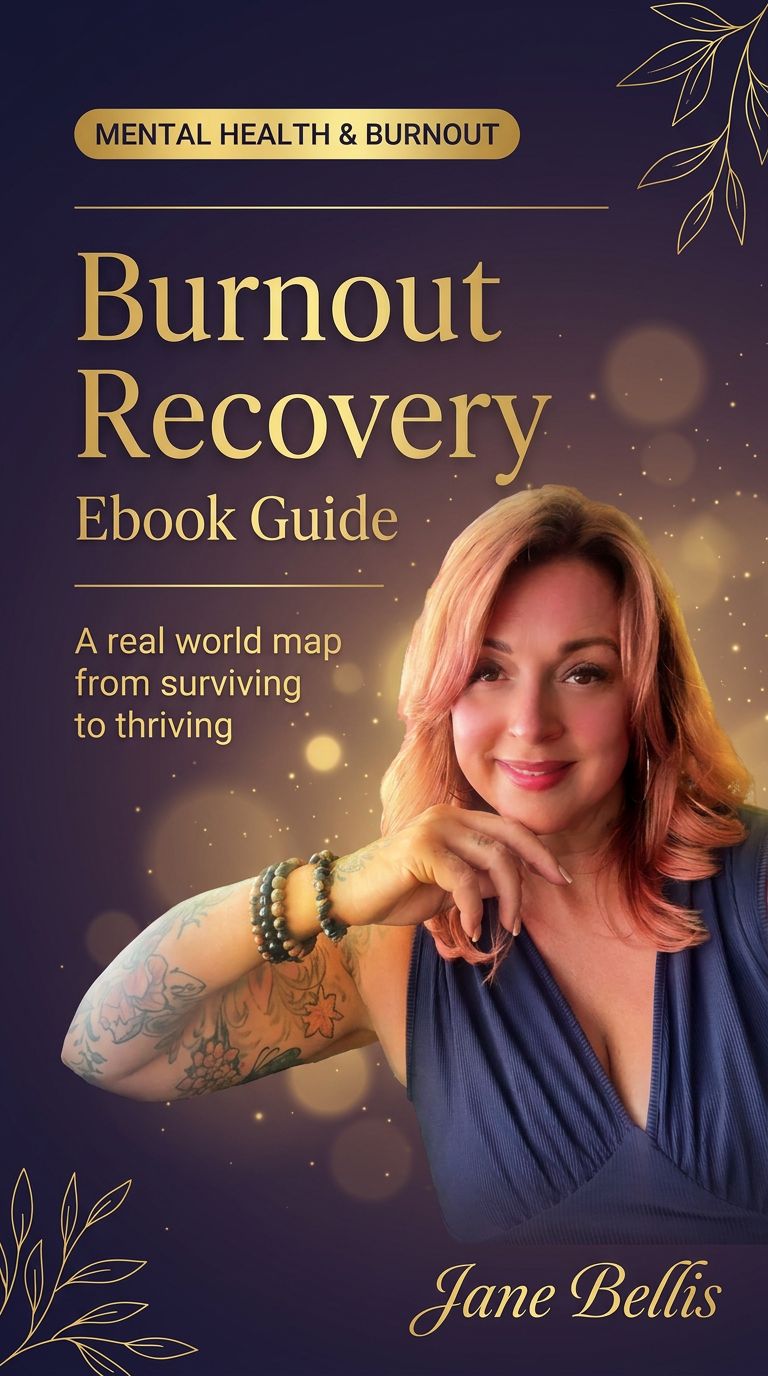
Burnout Recovery eBook
A real-world map from surviving to thriving for readers who prefer to reflect and work through recovery at their own pace.
View the eBookBurnout Recovery Support
When generic advice is no longer enough, work directly with Jane to turn insight into a realistic recovery plan for your life.
Explore personal supportChoose the recovery support that meets you where you are
Begin with structured learning, explore the eBook at your own pace, or move into personalised support when you need a plan shaped around your own life.